
A toddler pouting

Children often have trouble waiting for their turn. What about me? How do I respond when God asks me to wait?

I just got home from another day of teaching. My head is still ringing with “Teacher!” “Teacher!” “Teacher!”

If you work with young children you may understand. One of my classes today included several children who were eager for adult attention. It seemed any time I got down to play with them, more than five children surrounded me eagerly calling for my attention: “Teacher, watch me!” “Teacher, here’s ice cream!” “Teacher, I want to play!”

And then came art time…

Today we were using watercolour paint. I had four chairs at the art table and four paint brushes.

As I got four children settled and painting, others came by.

“I want it!”

I reply light heartedly “Okay. You will get to paint, but you have to wait until your turn. Why don’t you go play while you wait?”

The child groans and folds his arms.

Another child comes and takes the paintbrush out of another’s hand.

I return the paintbrush to the child currently painting, then turn to the second child. “Do you want to paint?”

The child nods with a frown.

“Okay, you will have a turn, but the art table is all full now, so you go play.”

The child begins crying.

A third child comes. “Me turn! Me turn!”

I ruffle her hair. “Not yet. You go play. I will call you when it is your turn. Don’t worry. I will make sure you have a turn.”

This child scowls and stands watching for a few minutes before moving elsewhere in the room.

I wrote this early in the school year. Thankfully, after a few months, they learned that there is no need to get upset if it isn’t their turn yet. It took time for them to learn that I mean what I say when I tell them that everyone will get a turn. They needed to learn to trust me.

Then I stop and think. How did I respond the last time God asked me to wait?

Honestly, I was frustrated. I didn’t see any reason for me to wait with the plan I had in mind. I wanted to do it right then, but God said wait so many times in so many ways I would have been a fool to ignore it!

I pouted, asking, “But why, God?” I was impatient and waiting made no sense to me.

The Bible mentions waiting for God many times. Sometimes it is the psalmist waiting for God to answer his plea for rescue. At other times it is a command to wait.

One of my favourite verses about waiting for God is Psalm 37:34: “Wait for the Lord and keep His way…”

This time, when God instructed me to wait, I felt incredibly impatient. I did not want to wait! Therefore, He led me across another verse which I then placed by my lamp as a daily reminder.

“The plans of the diligent lead surely to abundance, but everyone who is hasty comes only to poverty.”  Proverbs 21:5 (ESV)

I look forward to the day when I can join in saying:

“Look, this is our God;
we have waited for Him, and He has saved us.
This is the Lord; we have waited for Him.
Let us rejoice and be glad in His salvation.” Isaiah 25:9

For me, that most recent thing God asked me to wait for involved moving towards publishing a particular picture book. At this point, I really don’t know why He told me to wait. It makes no sense to me, but perhaps one day I will see the reason.

What is something God has asked you to wait for? What was the result?

Boy studying zoo map

What follows is one of my favourite preschool animal songs. I sing it often with my class.

I will share my favourite few verses, as well as a long list of other ideas.

Pick and choose which verses are your favourite, or fit best with your theme.


If You Want To Be A…

(tune: If You’re Happy and You Know It)


If you want to be a giraffe, stretch up tall,

If you want to be a giraffe, stretch up tall,

If you want to be a giraffe, if you want to be a giraffe,

If you want to be a giraffe, stretch up tall.


Actions: Reach for the ceiling everytime you sing “stretch up tall”

Other favourite verses include:

  • If you want to be a lion, roar like me
  • If you want to be a turtle, hide in your shell
  • If you want to be a kangaroo, jump up and down
  • If you want to be a flamingo, stand on one foot
  • If you want to be a butterfly, flap your wings

Strategies:

  • I don’t follow the same order of verses every time I sing this preschool animal song and I vary which animals I use. This keeps the children’s interest longer as it feels new each time. 
  • I switch between loud, medium and quiet verses depending on the children’s energy level. If they have lots of energy I do two or three loud ones, but if they start going crazy I regain their attention by using medium volume verses. Finally, I calm them down at the end, and sometimes in the middle too, by using a quiet verse. Your tone, volume and choice of actions will determine how exciting or calming each verse is.
  • Pay attention to your children’s interest levels. Some days they may be happy to do a large number of verses, while other days they may only stay engaged for three or four. Once you start losing their attention move on to the next song/activity.
    • If I am transitioning into story time next, I sing the song through again but with these words:

                   “If you want to hear a story, sit right down.”

  • As you read the different verses below notice how they use a wide range of motions and sounds. I would encourage you to use a variety so as to give the children developmental benefits in many areas.


Possible Verses (by theme)


Zoo Animals:

Lion – “roar like me”

Elephant – “swing your trunk”

Giraffe – “stretch up tall”

Flamingo – “Stand on one foot”

Gorilla – “thump your chest”

Kangaroo – “jump up and down”


Jungle Animals:

Gorilla – “thump your chest”

Tiger – “roar like this”

Elephant – “swing your trunk”

Snake – “slither like me”

Monkey – “swing your arms”

Sloth – “move real slow”


Safari Animals:

Lion – “roar like me”

Elephant – “swing your trunk”

Giraffe – “stretch up tall”

Cheetah – “run real fast”

Hippo – “stomp your feet”


Farm Animals:

Horse – “shake your mane”

Bunny – “hop up and down”

Pig – “oink like me”

Mouse – “get real small”

Frog – “jump up and down”


Insects:

Grasshopper – “jump up and down”

Bumblebee – “buzz like me”

Butterfly – “flap your wings”


North American Animals:

Bear – “roar real loud”

Eagle – “flap your wings”

Jack Rabbit – “hop up and down”

Skunk – “pinch your nose”

Wolf – “look at the moon” (howl)

Squirrel – “eat an acorn”

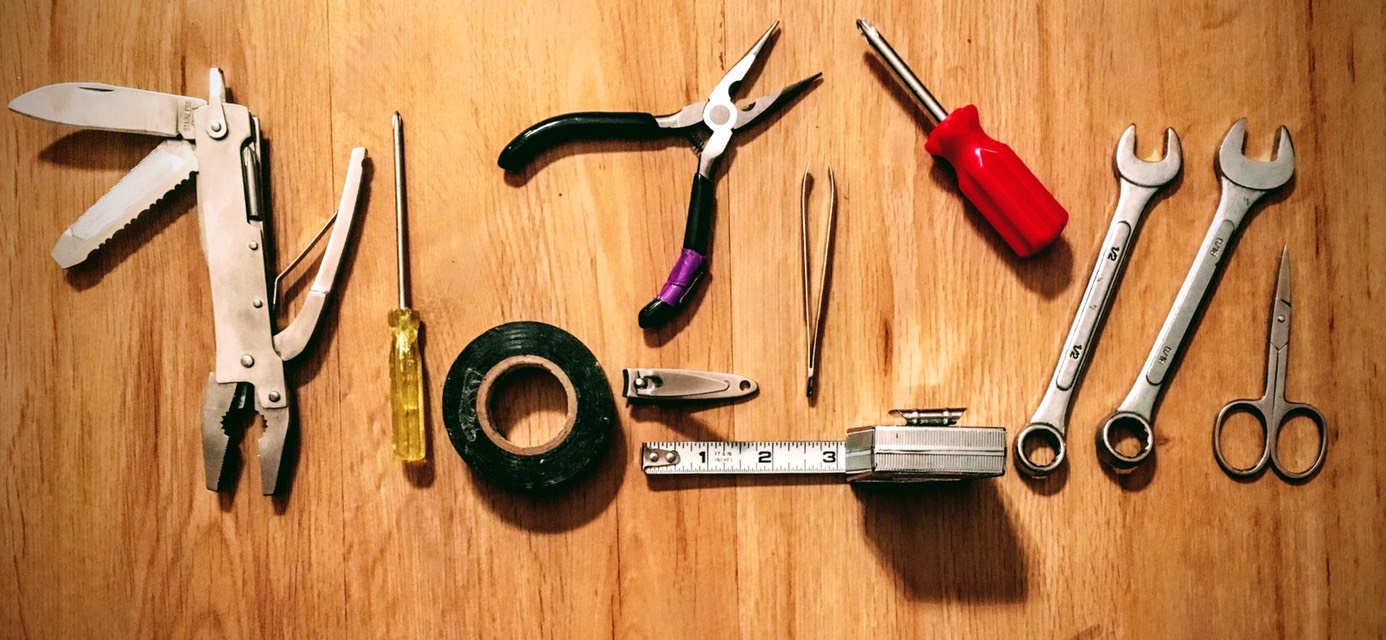
Various tools arranged together


Getting ready to leave the house, I smooth my hair, slip on a necklace and take a close look in the mirror.

No! I have a black hair growing on my chin!

I, as a female, am not pleased with this discovery. Indeed it must go before I face the world!

Immediately I try to grasp it between my fingernails to pull it out.

It takes me several tries to get the angle right, gaining some form of grip on that unwanted hair. I pull, but it doesn’t move. I try again… and again… That pesky hair refuses to budge.

With a frustrated sigh, I reach into the drawer beside me to retrieve my secret weapon – tweezers.

I grasp the hair with my tweezers and pull. Out it comes without a fuss.

As I put my tweezers away, I shake my head and smile. Why didn’t I simply get the tweezers out when I first discovered the hair? They were right beside me within easy reach. All I needed was to open the drawer and pull them out, yet I tried with my fingers several times before retrieving the tweezers.

Next time I will get the tweezers right away… or not. I have repeated this process many a time, and can hardly recall ever reaching for the tweezers until after trying several times unsuccessfully with my fingernails.

Unfortunately, the same is often true in far bigger parts of my life.

As a Christian, God has promised many things to me. In John 14:27, Jesus says, “Peace I leave with you; My peace I give you. I do not give to you as the world gives. Do not let your hearts be troubled and do not be afraid.” (NIV)

Jesus has given me peace. It is mine. However, just like with my tweezers, I must make the effort and take the time to pick it up and use it. “Do not let” is an action I must make with His help.

Far too often I try to use my own resources. I make a strategy to help me feel better, which can be good, but unless I tap into the resources and tools God has given me, I will never experience the peace He offers.

Okay, this all sounds good, but how do I actually not let my heart be troubled? My heart is often troubled as I listen to the news or scroll through Facebook.

Thankfully Jesus answers this question a few verses earlier.

“Do not let your hearts be troubled. You believe in God; believe also in Me.” John 14:1 NIV

The New Living Translation uses the word “trust” in place of “believe.”

Easy? No. Worth it? Yes. Oh that I would learn to continuously believe that God is all He says He is.

And that’s not the only tool or resource God has given to me as His child.

Various tools lined up together

“His divine power has given us everything required for life and godliness through the knowledge of Him who called us by His own glory and goodness.” 2 Peter 1:3 CSB


Purple flowers with barren woods in background


Some years back, I was blessed to be able to spend several months in Germany. While there, I often sought time alone with God. One of my favourite places to walk by myself was a quiet wooded area with a gentle winding creek.

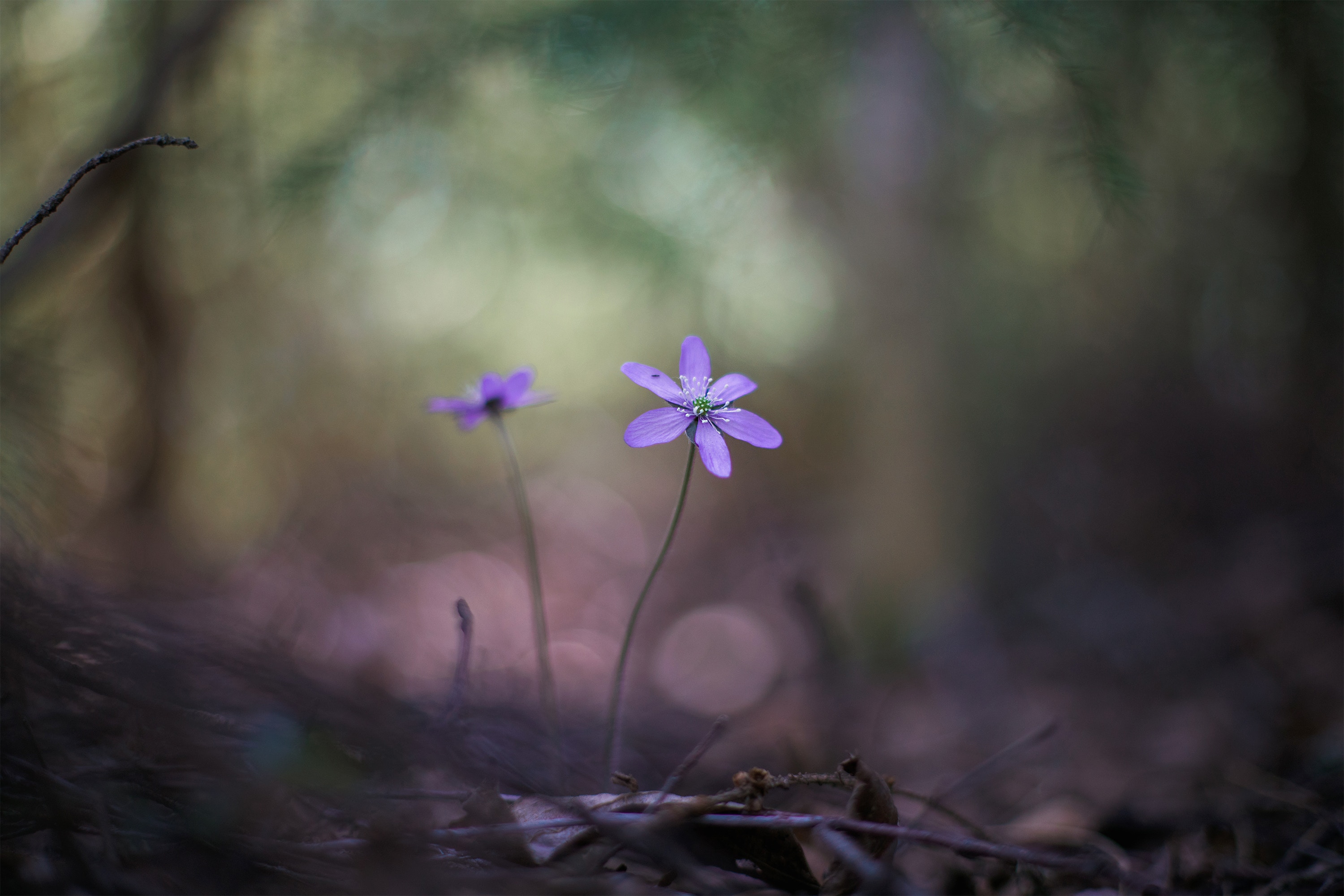
One afternoon, with only a few weeks left in my stay, I wandered down this same path. It was March. On recent walks, I had observed bold green grass poking its way past dull faded leaves from the autumn before. Today, however, I stopped in my tracks and stooped to look closer. A tiny purple flower smiled up at me.

A few inches away I spotted another delicate purple flower, and another. Straightening, I marveled at the multitude of these little flowers scattered richly throughout the emerging grass. A smile touched my face as I took in the beauty of it. It seemed to me that the forest was coming alive!

Walking further, I tried in vain not to step on the delicate beauties – they were everywhere! For so long this forest trail had consisted of tired browns and dull greens, but now new life sprung forth.

Suddenly a sober thought hit me. In mere weeks I would be leaving this place which I’d come to love. I would never see the full bloom of this quiet path I’d strolled along countless times.

It was then another thought came, like a question whispered into my heart: “Are you willing to follow Me, even if you never get to see the blossoms that come from your labour?”

I stood still, a sorrow deep in my soul. I knew my answer was yes, but it would require God’s help for me to remain diligent. At that moment I grieved a little for the blossoms I would never get to see.

The seeds of those delicate purple flowers laid dormant all winter. Only as spring came had they popped up overnight.

In the Bible we read:  “[Paul] planted, Apollos watered, but God gave the growth. So then neither the one who plants nor the one who waters is anything, but only God who gives the growth.” 1 Corinthians 3:6-7 CSB

My role is to serve by planting seeds of the Gospel and watering where the seeds are already planted. However, it is God alone who can make those seeds grow. Whether or not I get to see the result of my planting and watering is up to Him.

What will this look like in my life? I don’t know. Rather, by God’s help I will follow Him, even when I don’t see the reward of my toil. I will trust Him to use my life, even when I can’t see it.

“But I said, ‘I have labored in vain; I have spent my strength for nothing at all. Yet what is due me is in the LORD’s hand, and my reward is with my God.'” Isaiah 49:4 NIV


Looking back through history, there are examples of Christian men and women who obeyed God faithfully for years before seeing any blossoms spring up. Some of them never saw the result of their faithful labours. Can you think of any examples? Please comment below.

Smiling toddler peeking around corner


I am a preschool teacher.

Often when people hear this, they automatically think “daycare.” However, I do not work at a daycare, I work at a preschool. What’s the difference? I’m glad you asked.

First, let me begin by mentioning that these terms and titles cover a wide range of childcare organizations. I will offer a basic understanding of the differences, but every centre/school/home will be run a little differently. On top of that, the local government directly affects programs by regulating many aspects including the max child per adult ratio, etc. I have only worked in childcare centers in Alberta, Canada, therefore, some of my statements may not be accurate in other areas.Girl running in daycare


Daycare/Day Home

Daycares and day homes are set up as a place for parents/guardians to drop off their child while they go to work. High quality daycares and day homes include some level of academic programming and are intentional to foster the overall development of the child.

A daycare typically consists of several separate rooms (classes) of children. Often these are divided by age, starting as young as early infancy. To accommodate staff breaks and work hours, the children are likely cared for by two or three different caregivers throughout the course of the day. Daycares typically take the children outside for a walk or to play every day.

Did you know that 24/7 daycares exist? Such daycares are relatively new and hard to find, but they do exist in Canada.


A day home is often run by a single caregiver who cares for a handful of children in the caregiver’s house. Some day homes may be connected to organizations that support and advise several day home owners. Many day homes will have children of a range of ages together in a family-like environment.

A house in autumn

Often day homes must follow very strict guidelines regarding the number and ages of children if they are licensed. A child in a day home typically has the same one caregiver for multiple years.


Preschool/Playschool

Preschools are most often half-day programs with an academic element designed for 3-4 year olds. There are endless varieties of preschools available.

Often children are enrolled in a class that meets on Monday/Wednesday/Friday morning or afternoon, or Tuesday/Thursday morning or afternoon. Typically classes are 2-3 hours in length. However, you may find five day a week classes, Saturday classes, evening classes, or full-day classes.

Other titles related to preschools include: Jr. Kindergarten, playschool, Montessori, and Reggio Emilia to name just a few. Montessori and Reggio Emilia preschools are based on very distinct child development theories. I do not have extended experience with either so I will not expand on them here. Jr. Kindergartens may focus more on academics while playschools may focus more on learning through play. However, both of these programs will likely have the same basic elements as most general preschools making the titles practically interchangeable.

General preschools (and high quality daycares) often have similar elements in their programs including:

    • Free-play time
      • A period when the children are permitted to play with any of the provided toys and move freely from one toy to the next
    • Circle time
      • A short, teacher-directed time when children are expected to sit in a designated area (often on a specific carpet)
      • A skilled teacher will keep children engaged and learning through age-appropriate songs, stories, and activities
    • Snack time
      • Children wash their hands then sit at the table to eat
      • Some schools require parents to send snacks while others provide them
    • Gym time
      • A time for large movements such as running
      • Might be organized games, free-play, or a combination
    • Art timeColourful aprons hanging on hooks
      • May be open-ended: the child is given supplies and encouraged to create whatever they want. Every piece will be unique.
      • Or teacher-directed: the child is expected to make their craft look the same as the teacher’s example. Each child’s work will appear nearly identical to the next.
      • Or a combination. (Heated debates exist about which type of art is better developmentally for the child. Personally, I believe doing some of each is ideal.)


Homeschool

Did you know that rather than sending their child to a preschool, daycare or day home, some parents choose to homeschool their preschooler? They may choose to do so regardless of whether they intend to homeschool their child during grade school. If you are interested in homeschooling your preschooler, the following articles may be helpful.

5 Things to Teach When Homeschooling Your Preschooler

Ready For Kindergarten (Academically)


Conclusion

Each program is unique, but then so is each family and each child. If you are considering enrolling your child in a program, I would encourage you to visit the centre/school/home to ask questions and observe. Look for the program that best compliments your child and your family.