Ever struggled to wash paint off a child’s hands, or sent chalk-covered  children home? Ever had someone complain because your children used chalk where someone else didn’t want it? I have.
Outdoor painting with water can eliminate all that.
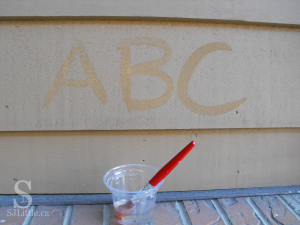 Supplies Needed:
- Container to hold water (i.e. bucket)
- Water
- Old paintbrush or alternative
- A sidewalk, fence, deck, etc.
Prep
It’s simple, really. Dress your children for the weather. Put a inch or two of water in your container and hand your child a paintbrush.
How It Works
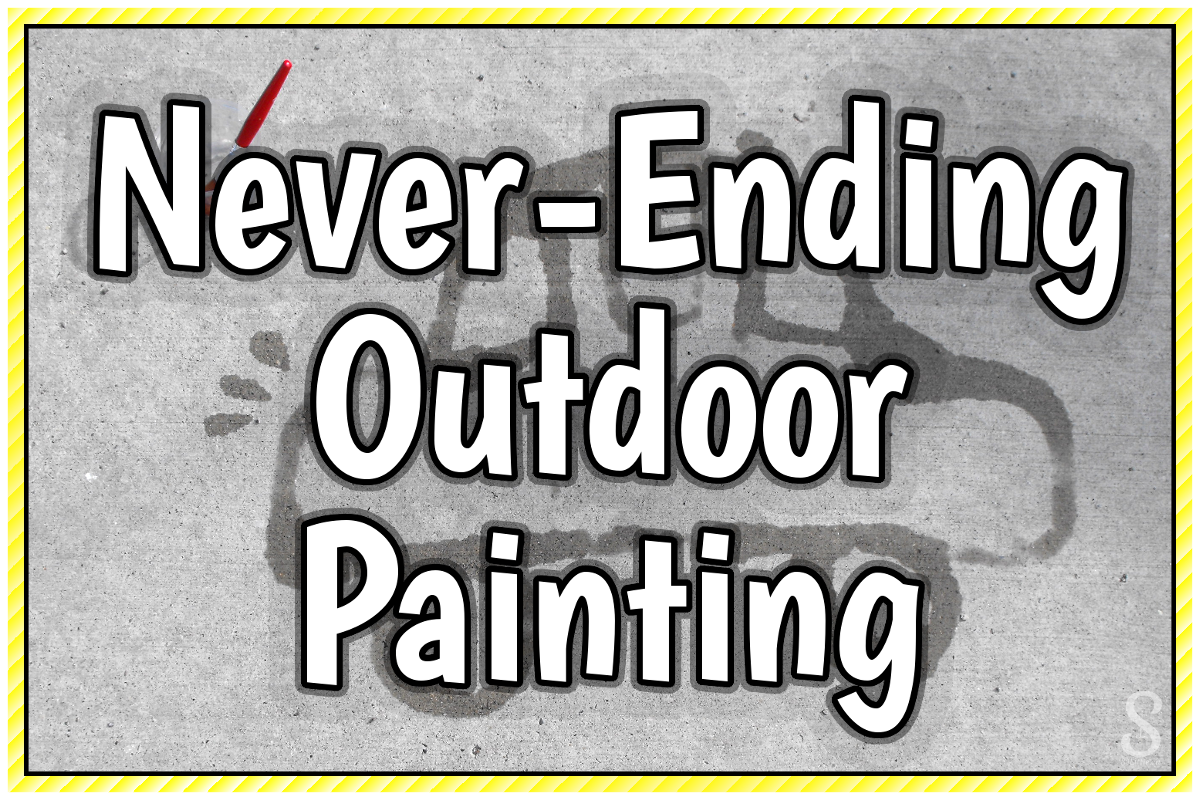
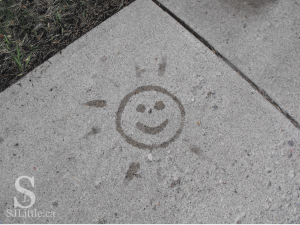
When the wet paintbrush touches the concrete sidewalk, or other surface you choose to paint on, it leaves a wet mark creating the illusion of being painted.
Your children can paint and paint to their heart’s content and while they do so, their older paintings will gradually dry up giving them room to create still more paintings. In this way, the painting fun is never-ending for they never run out of space. When they are done and head inside, all their paintings will dry up leaving no mess behind. (Not that I think children’s chalk pictures are a mess, but I’ve been in settings where our outdoor play area was shared with others who complained about the drawings.)
Note, some children will dump the water, perhaps on themselves. Therefore, you could end up with wet children which is not a bad thing on a hot day.
Benefits
- Low cost – once you have your bucket and paint brushes you are good to go. No more buying chalk
- Low mess – your children may become wet, but they will not be covered with chalk or paint
- Low prep – fill the bucket, dress your children for outside and you are set
- Low clean up – the paintings dry up leaving no trace behind
Don’t Have Paintbrushes?
If you don’t have paintbrushes, or none that you want to use outside, try finding an alternative such as a small piece of sponge or a pompom. Adding a clothespin as a handle could help protect little fingers from scraping against the sidewalk when using such small painting tools.
What About Chalk?
Am I discouraging the use of chalk? No. I use chalk with my children often. However, if leaving chalk pictures behind or having chalk-covered children concerns you, this is a handy alternative.
Also, if you use chalk often, switching it up with painting with water will create renewed interest due to the novelty of the activity.
What are you waiting for? Grab a bucket, a brush and a child and go have fun!
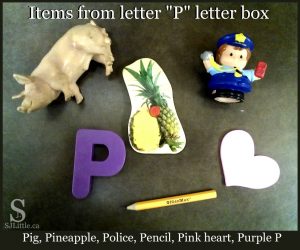
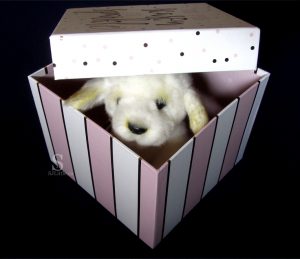 Prior to class, find an item starting with the letter of the week. Place that item in a box as the mystery item. Show the children the box telling them that something is hiding inside it. Inform them that the item starts with the letter of the week. Review with them what sound the letter makes.
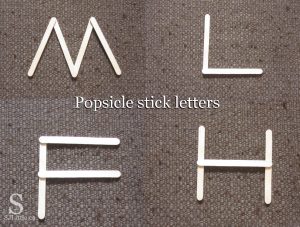 Then hand out enough popsicle sticks to every child. (You could make this a game by handing too many or too few sticks to some of the children and having them count to tell you if they have the wrong number.)
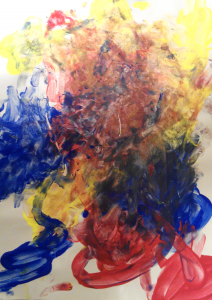
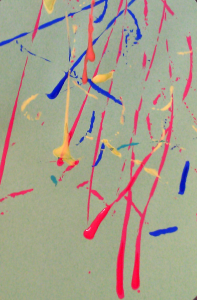 a short piece of yarn, and they enjoy doing it. While they’re at it, they will be strengthening their arm muscles by the abundance of up and down and side to side movements.
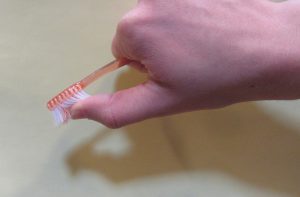 with its bristles facing the paper. Show them how to run their thumb (or finger from the other hand) through the bristles causing the brush to spray droplets of paint onto the paper.